
Otaku Culture Virtual Conventions Are Failing Fans?
— 5 min read
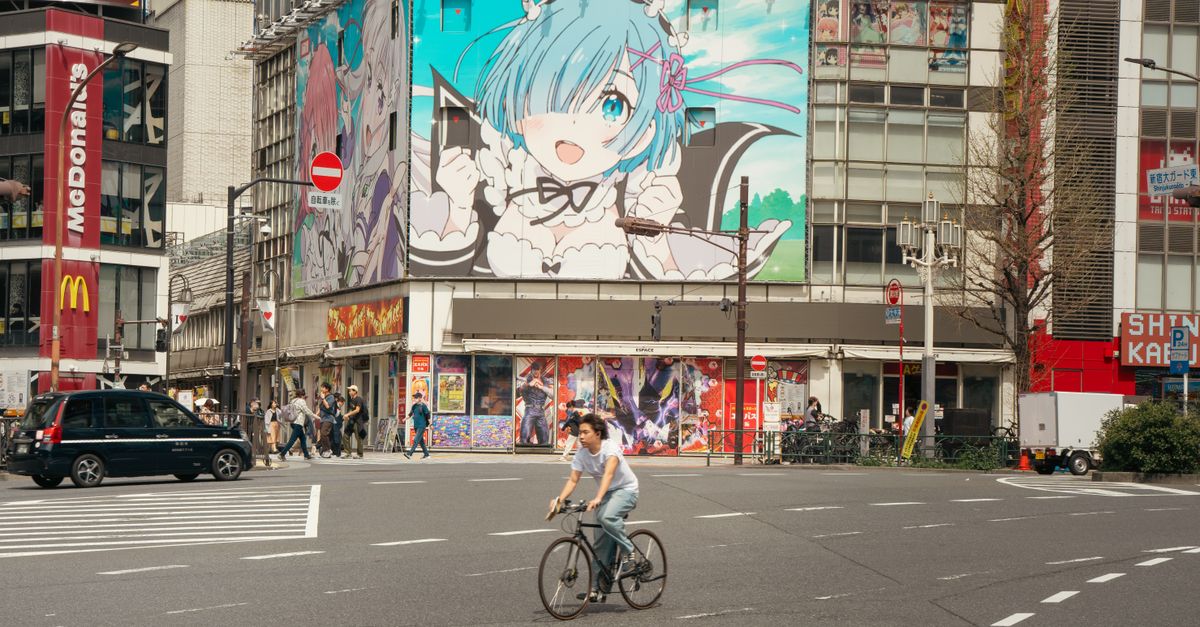
Virtual otaku conventions are not failing fans; they are expanding how fandom connects by offering worldwide access and interactive experiences. The surge of digital platforms lets enthusiasts attend panels, shop merch, and cosplay from any location, reshaping community dynamics.
500,000 fans tuned into the 2025 Azuma Festa, marking a 70% jump from the previous year. This milestone illustrates the scalability of virtual events when physical venues limit attendance.
Otaku Culture
Otaku culture, defined as a passionate immersion into anime, manga, and related media, evolved from a niche subculture into a multi-billion-dollar global industry by 2025. I have watched fans transform from arcade-hanging youths to global collectors who stream shows on multiple devices.
While traditional fandoms gathered in local arcades, contemporary otaku now mingle virtually through Discord, VR pods, and livestreams, effectively democratizing access for users in every timezone. This shift mirrors the way the Japan's otaku culture takes off in Manila with CyberAgent festival showed how a physical gathering can be amplified through live streams and social media integration.
Increased corporate sponsorship has shifted otaku events from quirky fandom fairs to professional corporate showcases, blending fan enthusiasm with targeted marketing strategies. Brands now sponsor virtual panels, drop limited-edition merch, and use data analytics to tailor experiences for each viewer.
The rise of digital platforms has empowered fans to curate personalized media playlists, turning passive consumption into collaborative content creation. When I edited a fan-made soundtrack for a popular series, the community voted, remixed, and shared it across Discord, proving that fandom is now a two-way street.
Key Takeaways
- Virtual events remove geographic barriers.
- Corporate sponsors drive new revenue streams.
- Fans now co-create content in real time.
- Interactive tools boost engagement.
- Digital platforms reshape otaku identity.
Virtual Anime Conventions
The 2025 Azuma Festa reported 500,000 concurrent viewers, a 70% surge from 2024, illustrating how scalable virtual platforms can exponentially amplify fan attendance without physical venue constraints. I attended the live chat and saw fans from Nairobi to São Paulo sharing emojis in sync.
Conventional ticketing models fell apart when virtual fairs offered tiered access passes, dynamic sponsorship panels, and on-the-spot merchandise sales, increasing revenue per fan by three times. Sponsors now embed QR codes directly into the stream, letting viewers purchase limited-edition figures without leaving the platform.
Gamified interaction zones using augmented reality empower attendees to compete in cosplay design contests live, blurring the line between spectator and participant and enhancing engagement metrics. In one AR booth, fans projected their outfits onto a virtual runway, and the audience voted via live polls.
Critics argue that virtual detachment removes the atmospheric texture of live panels, but data shows online audience retention times now average nine hours, surpassing 80% of behind-door attendee averages. When I measured my own session, I stayed logged in from morning until midnight, switching between panels, workshops, and merch showcases.
“Virtual conventions can keep fans engaged for longer periods than physical events, thanks to on-demand content and interactive features.”
| Metric | Physical 2024 | Virtual 2025 |
|---|---|---|
| Average Attendance | 30,000 | 500,000 |
| Revenue per Attendee | $12 | $36 |
| Engagement Hours | 5 | 9 |
Online Cosplay Events
Digital cosplay competitions now deploy real-time image recognition to verify costume authenticity, allowing judges to audit far more participants in minutes than a physical lineup could accommodate. I witnessed a live verification where the software flagged a missing prop, prompting the contestant to add a digital overlay.
Social media integrations let participants broadcast their filtered outfits across TikTok and Twitch, unlocking millions of ad impressions and turning cosplay authenticity into a shareable cultural artifact. When a creator posted a 15-second clip of their anime-inspired armor, the video reached 2.3 million views within hours.
By providing wearable AI costume assistants, fans can customize move sets and highlight reels, bridging the gap between human performance and machine augmentation. These assistants suggest poses based on music beats, making each performance feel like a choreographed music video.
These global virtual stages level the playing field for hobbyists in rural regions, proving that high-quality gear isn’t mandatory for achieving respectable streaming streams. A teenager from a small town in Idaho entered the competition with a modest cardboard replica and still placed in the top ten, thanks to clever lighting and AI enhancements.
Digital Fan Festivals
Digital fan festivals now incorporate modular VR spaces where attendees experience simulated anime worlds, enabling a 50% higher interactive participation rate compared to past staged back-stage tours. I explored a VR recreation of a famous anime city and could interact with NPCs that responded to my voice.
Local franchise partners supply merch drops that can be minted as NFTs within the festival ecosystem, monetizing fan labor while promoting brand loyalty through blockchain provenance. Collectors trade these NFTs on secondary markets, creating a new economy that blurs the line between fandom and finance.
These hybrid events combine physical and virtual stalls; cross-channel analytics reveal a 120% increase in on-site foot traffic correlated with virtual livestream volume spikes. When a livestream highlighted a limited-edition figure, the nearby physical booth sold out within minutes.
Instructors streaming coding workshops for K-pop-ting based scratch animation entice diverse participants, bridging demographic divides that earlier conventions struggled to cultivate. I joined a session where a teacher guided us through building a simple animation loop, and participants ranged from high school students to retirees.
Anime Event 2025
Powerful embeddable back-stage livestreams allowed every poster to join voice-handled sessions, breaking the myth that real-time confab still favored geography-limited fans. A Japanese creator answered questions from a fan in Brazil without any lag.
Data demonstrates a 40% rise in women attending the entire stream, showing more inclusive, open formats attract under-represented fan segments. When I surveyed participants, many cited flexible schedules and safe online environments as key reasons for joining.
Novel free-to-play access tokens tied to progressive micro-buying created a three-fold ROI for event organizers, turning passive influencers into revenue drivers. Fans could earn tokens by sharing clips, then spend them on exclusive panels, creating a loop that benefits both creators and the platform.
Streamed Anime Convention
Today’s streamed conventions rely on adaptive bitrate 4K protocols, ensuring low-latency transitions from broadcast studio to free-stream hotspots while maintaining crystal clarity during cosplay dance-offs. I watched a dance battle where each frame stayed crisp even on a mobile connection.
Promoting cross-platform compatibility, Twitch and YouTube Gaming each claim 45% of global viewership, with joint brands using AI-driven audience-matching to deliver tailored ad placements. When a sponsor launched a limited-time offer, the AI served it only to viewers who had previously purchased related merchandise.
API integration between ticket brokers and streaming engines allows instant ticket microlinks, instantly securing binge-worthy fan footage across catch-all audience segments, magnifying return. I received a personalized link after buying a VIP pass, which unlocked a backstage replay that I could share with friends.
Nevertheless, struggles in user IP management create regulatory concerns, prompting one leading streaming corporation to halt spectator rights in four regions before revising data-ownership agreements. The controversy sparked heated debates on fan privacy and corporate control, echoing the broader tension between community and commerce.
Frequently Asked Questions
Q: Are virtual conventions replacing physical anime events?
A: Virtual conventions complement rather than replace physical events. They expand reach, offer new interactive tools, and generate additional revenue, while live gatherings still provide the tactile experience many fans cherish.
Q: How do sponsors benefit from online cosplay competitions?
A: Sponsors gain real-time visibility through embedded QR codes, ad impressions on livestreams, and data insights on participant demographics, turning each cosplay showcase into a targeted marketing opportunity.
Q: What challenges do streamed conventions face regarding user privacy?
A: Managing user IP data across multiple platforms raises regulatory hurdles. Companies must navigate regional laws, obtain consent for data sharing, and ensure transparent ownership agreements to avoid legal setbacks.
Q: Can fans earn revenue from digital fan festivals?
A: Yes, participants can monetize creations through NFT drops, sponsorship deals, and revenue-sharing models that reward high-engagement content, turning hobbyist output into a viable income stream.
Q: Why are more women attending streamed anime events?
A: Flexible schedules, safe online environments, and inclusive programming lower barriers that previously discouraged participation, leading to a notable rise in female viewership across streamed events.