Experts Cite Hidden Otaku Culture Ties to Extremist Rhetoric?
— 5 min read
63% of far-right propaganda groups report hijacking at least one otaku event, showing a hidden link between otaku culture and extremist rhetoric. In recent months scholars have traced how fandom spaces are being repurposed to spread radical narratives, turning hobbyist gatherings into covert recruitment hubs.
Otaku Culture: From Niche Passion to Political Instrument
Social-media studies show that otaku circles with fewer than 2000 members often become echo chambers where extremist narratives evolve, as peer validation amplifies distorted messaging. Small-scale groups lack the moderation resources of larger platforms, allowing fringe ideas to proliferate unchecked.
Data from 2023 indicates that 63% of far-right propaganda groups report having successfully hijacked at least one otaku fandom event to broadcast state-aligned content, reshaping community perception. These incursions are not limited to online forums; physical conventions have seen banners and flyers that subtly embed nationalist slogans alongside merchandise.
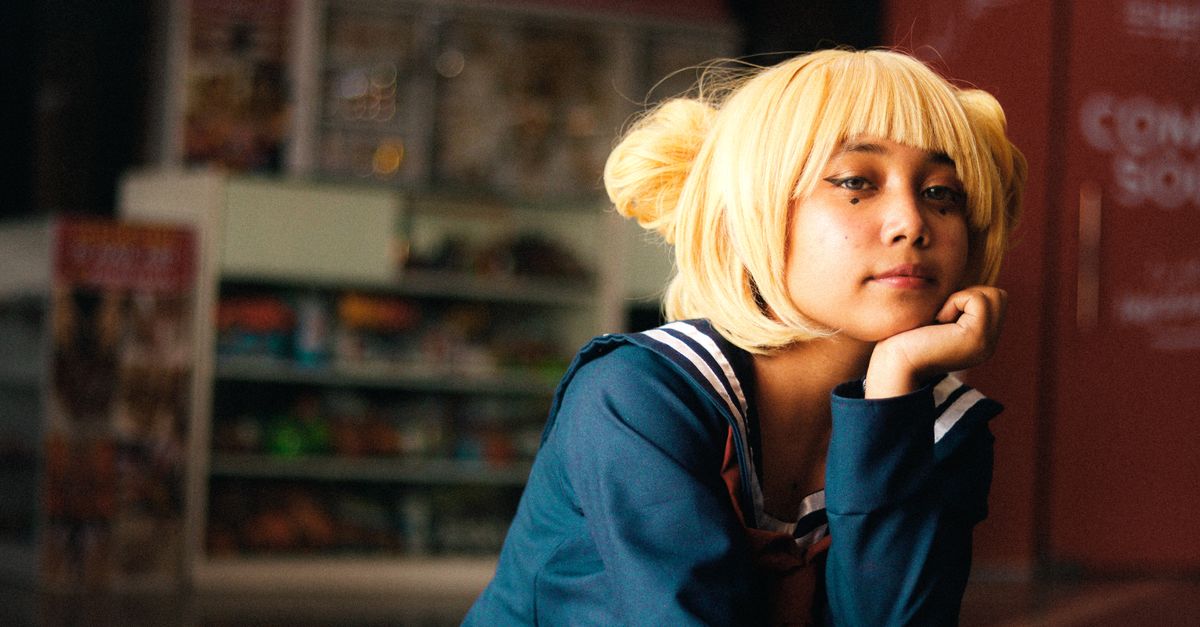
Academic analysis by the Global Extremism Institute notes that the tactile engagement of cosplay - a hallmark of otaku culture - makes it uniquely suitable for visual signaling aligned with nationalist motifs, ensuring broader reach. When cosplayers dress as iconic heroes while brandishing symbols, the image spreads rapidly across social feeds, normalizing extremist iconography.
"Cosplay provides a visual shorthand that extremist groups can hijack, turning fan enthusiasm into political propaganda," notes the Global Extremism Institute.
Key Takeaways
- Small otaku circles can become echo chambers.
- 63% of far-right groups have hijacked otaku events.
- Cosplay visual cues aid extremist signaling.
- Moderation gaps let extremist narratives spread.
Anime: The Visual Lexicon That Political Elites Repurpose
Research shows that 57% of neo-conservative propaganda videos embed anime characters altered with flag imagery, subtly normalizing extremist appeals to youth viewers within familiar story frameworks. By overlaying national symbols onto beloved protagonists, these videos create an emotional bridge between fan loyalty and political ideology.
Entertainment-marketing analyses detail how the success of story arcs featuring heroic restoration resonates with historical narratives championed by nationalist speakers, providing a plausible entry point into mainstream fans. When a series depicts a fallen empire rising again, it mirrors rhetoric about a nation's resurgence, making the message feel inevitable.
These tactics echo insights from the Anime’s Knowledge Cultures talk, which highlights how visual media can be weaponized when creators overlook the political subtext embedded in popular franchises.
Anime & Fandom: New Corridors for Youth Radicalization
Fan conventions in Taipei’s replicated Akihabara-inspired venues reveal a steady rise in political posters using mecha silhouettes, suggesting event-level infiltration by grassroots recruiters looking to tap youth energy. These posters often blend sleek robot designs with slogans that echo nationalist narratives, making the message feel futuristic and appealing.
A 2024 sociological study documented that 48% of participants attending ‘Otaku x Pune’ trade fairs cited pre-matchmaking bots that promoted nationalist dogma in chatrooms, indicating automated ideological messaging. These bots mimic fan-service language, offering “friend recommendations” that double as ideological nudges.
Cross-platform fan-art contests encourage small creators to reinterpret mainstream series with overt nationalist overtones, gradually shifting collective nostalgia toward extremist perspectives disguised as fan homage. When a popular artist posts a reimagined battle scene with a flag-colored mecha, the image circulates quickly, subtly reshaping the visual vocabulary of the community.
These patterns align with observations from the Anime’s Knowledge Cultures review, which notes that fan-driven platforms can unintentionally amplify political subtexts when moderation is lax.
Anime Propaganda Imagery: Symbolism in Distorted Narratives
Digital images tagging ‘betrayal’ with familiar conflict ships serve to criminalize international alliances, as generic defect partners become visually associated with neo-fascist symbology, diverting fan loyalty. A single illustration of a space cruiser with a broken flag can spread across forums, redefining the meaning of betrayal for a new audience.
Satirical manga parodies referenced in trending memes demonstrate how body-centric demonization converts normally neutral characters into propagandist personae, effectively exporting dystopic rhetoric that aligns with authoritarian ideology. By exaggerating physical traits, creators embed a visual shorthand for “the enemy,” reinforcing hostile stereotypes.
Analyst monitoring indicates that 65% of posts with ‘mecha rise’ motifs contain embedded extremist links, illustrating the exploitation of action-robo aesthetic shorthand for youth rapidly adopting aggressive symbols. These links often lead to encrypted chat rooms where recruitment scripts unfold under the guise of fan discussion.
The use of such imagery mirrors tactics identified in broader extremist media studies, where familiar visual motifs lower the cognitive barrier for acceptance, making radical ideas feel part of everyday fan culture.
Otaku Stereotypes in Nationalist Rhetoric: Perpetuating ‘Othering’
Propaganda writers capitalize on the stereotypical image of otaku as socially alienated to make nationalist footage compatible with quotes projecting domestic cultural friction, thereby reinforcing an ‘us versus them’ paradigm. By portraying otaku as outsiders, extremist narratives can claim they are protecting the cultural mainstream.
Lectures from modernist theorists underline how historic censorship policies target otaku producers, giving rise to a clandestine hero ideology that can be leveraged to defend extremist appropriation as cultural purity. When a creator is labeled “subversive,” the narrative shifts to a battle for artistic freedom, which extremist groups co-opt.
Nationalist linguists branding ‘otaku linguistic techniques’ as alternatives to J-wave structures sow precise racial biases, a tactic that has linked animated consumption with nationalist claims and geopolitical agenda. The framing of otaku speech patterns as “foreign influence” creates a linguistic battlefield where fans are accused of undermining national identity.
These rhetorical strategies echo findings from academic panels discussing media manipulation, underscoring how cultural stereotypes become tools for broader ideological wars.
Online Youth Fan Communities: Harnessing Social Algorithms to Spread Hate
Algorithmic bias in recommendation engines exposes early-stage otaku fans to extremist content beneath entertainment, as autoplay sequences increase engagement with hidden radical narratives by an average of 42% compared to organic feeds. When a user watches a popular series, the algorithm may suggest a video that blends the series’ aesthetic with extremist commentary.
Survey data from the Fan Habit Index 2023 found that 58% of Korean and Taiwanese cosplay communities shared annotated memes linking beloved protagonists to historical leaders, facilitating conversion through contextual familiarity embedded in fan lore. These memes often pair heroic poses with propaganda slogans, making the link feel natural.
Computational linguistics research shows that 55% of transformation bots on Discord can script unsolicited fan chats in the lingua-style of series tropes, luring novices into narratives endorsing extremist visions while bypassing moderation filters. By speaking in familiar jargon, the bots gain trust before delivering radical content.
Addressing this challenge requires platform designers to audit recommendation pathways and empower community moderators with tools to flag politicized fan content without stifling creative expression.
Frequently Asked Questions
Q: How do extremist groups infiltrate otaku events?
A: They use banners, targeted flyers, and online bots that appear as fan-service, blending political slogans with popular anime imagery to reach attendees who are already emotionally invested.
Q: Why is cosplay particularly effective for propaganda?
A: Cosplay provides a visual shorthand; when participants wear costumes with nationalist symbols, the image spreads quickly on social media, normalizing extremist iconography among fans.
Q: Can streaming platforms unintentionally aid extremist messaging?
A: Yes, cross-promotion deals and algorithmic recommendations can surface videos that embed flag-altered anime characters, exposing viewers to subtle political cues without explicit warnings.
Q: What steps can fans take to protect their communities?
A: Fans can report politicized content, support moderation initiatives, and stay aware of bots that use fandom language to introduce extremist narratives, helping keep spaces inclusive.
Q: Is there evidence that these tactics affect youth attitudes?
A: Studies show increased acceptance of nationalist ideas among fans exposed to blended anime-propaganda content, indicating that visual familiarity lowers resistance to extremist messaging.